The start of a new year is the right time to revisit your financial strategy — and tax planning should be at the top of that list.
Many individuals and business owners focus on growing income but overlook how taxes quietly reduce after-tax returns. Whether you’re managing investments, running a business, or planning retirement contributions, early-year planning in 2026 can significantly impact your results.
Tax laws adjust annually for inflation. Contribution limits, standard deductions, and income thresholds change — which means reviewing last year’s strategy without updating the numbers can lead to missed opportunities.
Here are five key tax planning areas to review in 2026.
1. Review Your Current Tax Bracket and Income Structure

Federal tax brackets adjust each year for inflation. While the overall structure of the tax system remains the same, income thresholds shift slightly.
Instead of reacting at filing time, review:
- Your projected 2026 taxable income
- Bonus or business income timing
- Capital gains exposure
- Pass-through income (if applicable)
For investors, long-term capital gains rates still range from 0% to 20% federally, depending on taxable income levels. Strategic income planning may allow you to stay within favorable thresholds.
The key is not guessing where you’ll land in April — it’s projecting where you’ll land now.
2. Reevaluate Standard vs. Itemized Deductions
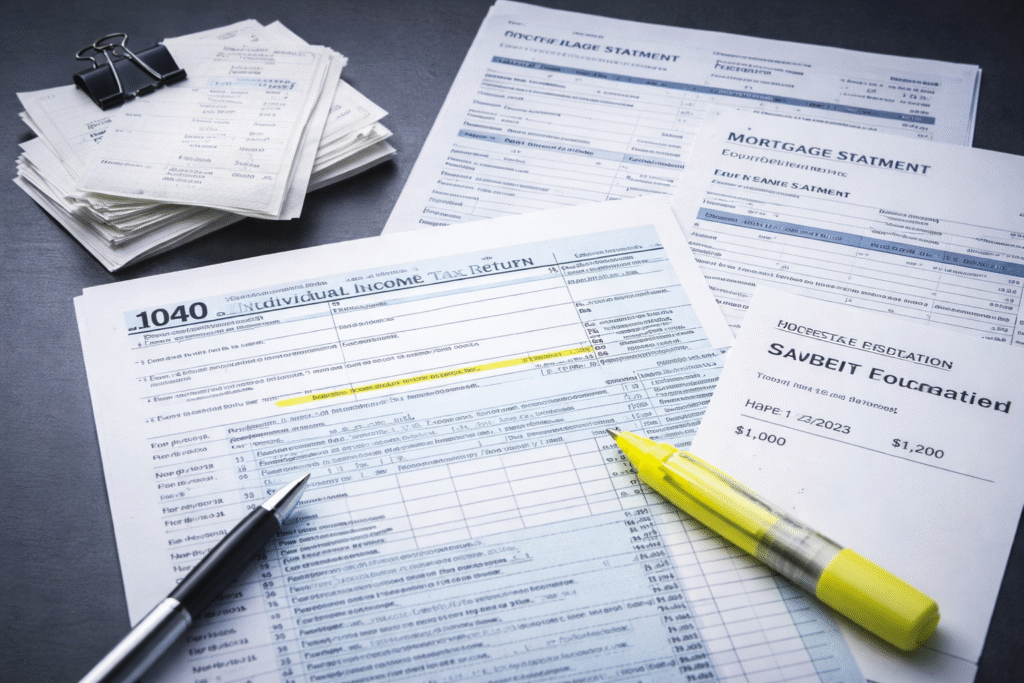
The IRS adjusts the standard deduction annually. Many taxpayers default to the standard deduction, but itemizing may still be beneficial depending on:
- Mortgage interest
- State and local tax payments (subject to federal limits)
- Charitable contributions
- Medical expenses exceeding IRS thresholds
In higher-income states, SALT limitations continue to impact planning decisions. Reviewing whether bunching charitable contributions or adjusting payment timing makes sense can improve results.
Deductions reduce taxable income. Credits reduce tax owed. Both deserve a review.
3. Maximize Retirement Contributions for 2026

Contribution limits for retirement accounts adjust periodically for inflation. For 2026, review:
- 401(k) and 403(b) contribution limits
- Traditional and Roth IRA limits
- Catch-up contributions for age 50+
- SEP IRA or Solo 401(k) options for self-employed individuals
Pre-tax retirement contributions reduce current taxable income. Roth contributions offer tax-free withdrawals later.
The decision depends on:
- Current income level
- Expected future tax rates
- Long-term retirement goals
For business owners, retirement planning is often one of the most powerful legal tax reduction strategies available.
4. Take Advantage of Available Tax Credits
Credits directly reduce the tax you owe and can significantly improve outcomes.
Common credits to review in 2026 include:
- Child Tax Credit
- Education-related credits (American Opportunity & Lifetime Learning)
- Energy-efficient home improvement credits
- Clean vehicle credits
- Retirement savings contribution credit (Saver’s Credit)
Eligibility often depends on income thresholds, so income planning can influence credit qualification.
Reviewing credits early prevents surprises later.
5. Plan Estimated Payments and Withholding
For business owners, investors, and individuals with multiple income streams, estimated tax planning remains critical in 2026.
Underpayment penalties apply if estimated payments fall short of IRS safe harbor requirements.
Review:
- Withholding levels
- Quarterly estimated payments
- Business income fluctuations
- Capital gains events
Balancing payments throughout the year avoids large April surprises and protects cash flow.
Special Considerations for Business Owners in 2026

If you operate a business, 2026 planning should also include:
- Reviewing entity structure
- Evaluating Section 179 and bonus depreciation rules
- Managing qualified business income (QBI) deduction eligibility
- Planning equipment purchases strategically
Business tax planning is not something to address in December — it requires year-round awareness.
Planning for a Strong 2026
Tax planning is not a once-a-year event. The most effective strategies are proactive, not reactive.
Instead of waiting for filing season, use the first quarter of 2026 to:
- Review income projections
- Confirm retirement contribution targets
- Evaluate deduction strategy
- Adjust withholding if necessary
Small adjustments early in the year often create meaningful savings by year-end.
Ready to Review Your 2026 Tax Strategy?
Tax planning works best when it’s done before decisions are locked in.
Whether you’re managing investment income, retirement contributions, or business cash flow, a proactive review can help you reduce risk, improve efficiency, and avoid unnecessary surprises at filing time.
At John Geantasio CPA LLC, we work with individuals and business owners to build tax strategies that support long-term financial goals — not just this year’s return.
If you’d like clarity on your 2026 tax position, schedule a consultation and let’s review your strategy together.